
What the cold water does, and what it does not
The stress relief was real, but it came twelve hours later. Mood never moved.

The first thing the water does is take your breath.
There is a promise being sold with it. Step into cold water. Hold yourself there while your body tells you to get out. On the other side, the story goes, you come out calm. Clear. Reset.
I have watched this become a kind of duty. A thing people feel they should do, the way they once felt they should wake earlier or push harder. If you are tired and wired all the time, the promise is that a few cold minutes will fix what rest has not.
Part of its pull is that it looks like certainty. A body that can hold still in freezing water looks disciplined. Awake. Alive. The cold is loud, and loud things are easy to believe in. A slow exhale makes almost no sound, and that is exactly why it never goes viral.
I went looking for the studies, because I wanted to know what the cold actually does to a body.
The largest careful look comes from a team in Australia. They gathered eleven randomized trials, more than three thousand people, each asked to sit or shower in water cold enough to make them gasp. Then they measured what changed.
Here is the part the ads leave out. In the first hour after the cold, stress does not fall. The body reads the water as a threat, and its markers of inflammation go up, not down. The calm people describe does not arrive in the moment at all.
It arrives about twelve hours later. That is when the stress response finally drops below where it started. Let that settle. The relief is real, but it comes in the quiet after, once the body has warmed and moved and slept. It is not the shock that calms you. It is the recovery.
To me this is the tender part. The body did not need the cold. It needed the hours after. It needed warmth, movement, sleep, a body slowly coming back to itself. Which means the thing that calmed people was never the plunge. It was the rest that followed.
And one thing did not move. Mood. Across the studies, the cold did not lift people’s spirits in any way they could measure. What did shift was smaller and softer. Sleep. A small rise in how people felt about the quality of their days.
A second review, newer and larger, came to a plainer answer. It looked at thirteen studies and more than four thousand people. It said the evidence is not strong enough to promise that cold water changes mood, or stress, or the heavy feelings at all. Anxiety barely moved. The studies themselves, it admitted, were weak.
I do not tell you this to take the cold away from you.
If you love your plunge, if the water is a small daily ceremony you miss when you skip it, keep it. The studies are not a reason to stop something your own body tells you it wants.
This is for the other kind of person. The one who stands at the edge because she thinks she should. Because stillness is supposed to be earned. Because somewhere she picked up the idea that calm has to hurt a little to count.
Why is it so easy to believe that calm must be earned, and so hard to believe it can simply be received?
It does not.
You are allowed to come back to a settled body the warm way. A slow breath, in and out, until your shoulders drop a little. A warm cup held in both hands. A minute of quiet before the day begins. The nervous system does not need to be shocked into softness. It needs to be allowed to soften.
There is a reason the old teachings keep returning to water. Still water clears on its own. Mud settles when nothing stirs it. A lake does not force itself calm. It only stops being shaken. The body is the same. It is not asking to be fixed so much as to be left in peace long enough to clear.
Notice the warmth in your chest right now. Notice the weight of you, held by whatever is under you. That is already a kind of calm. It has been here the whole time, and it asks nothing of you. It does not need to be cold to be real.
Sleep Like A Baby Tonight (Try This 30-Second Sleep Trick)
A top sleep scientist working with one of the biggest drug companies in the U.S. stumbled on something extraordinary.
A 30-second “sleep trick” that actually helped people sleep deeper and longer, without pills, gadgets, weird rituals, side effects, or sedatives. And it was fixing people’s sleep for good.
That’s exactly why the company shut it down. Once people fixed their sleep, they stopped buying their high melatonin pills. So this doctor walked away, left Big Pharma behind, and dedicated his life to helping people sleep like babies again, naturally.
Today, his 30-second sleep trick is finally available to the public, and it’s already helping thousands fall asleep faster, stay asleep all night long, and wake up truly rested.
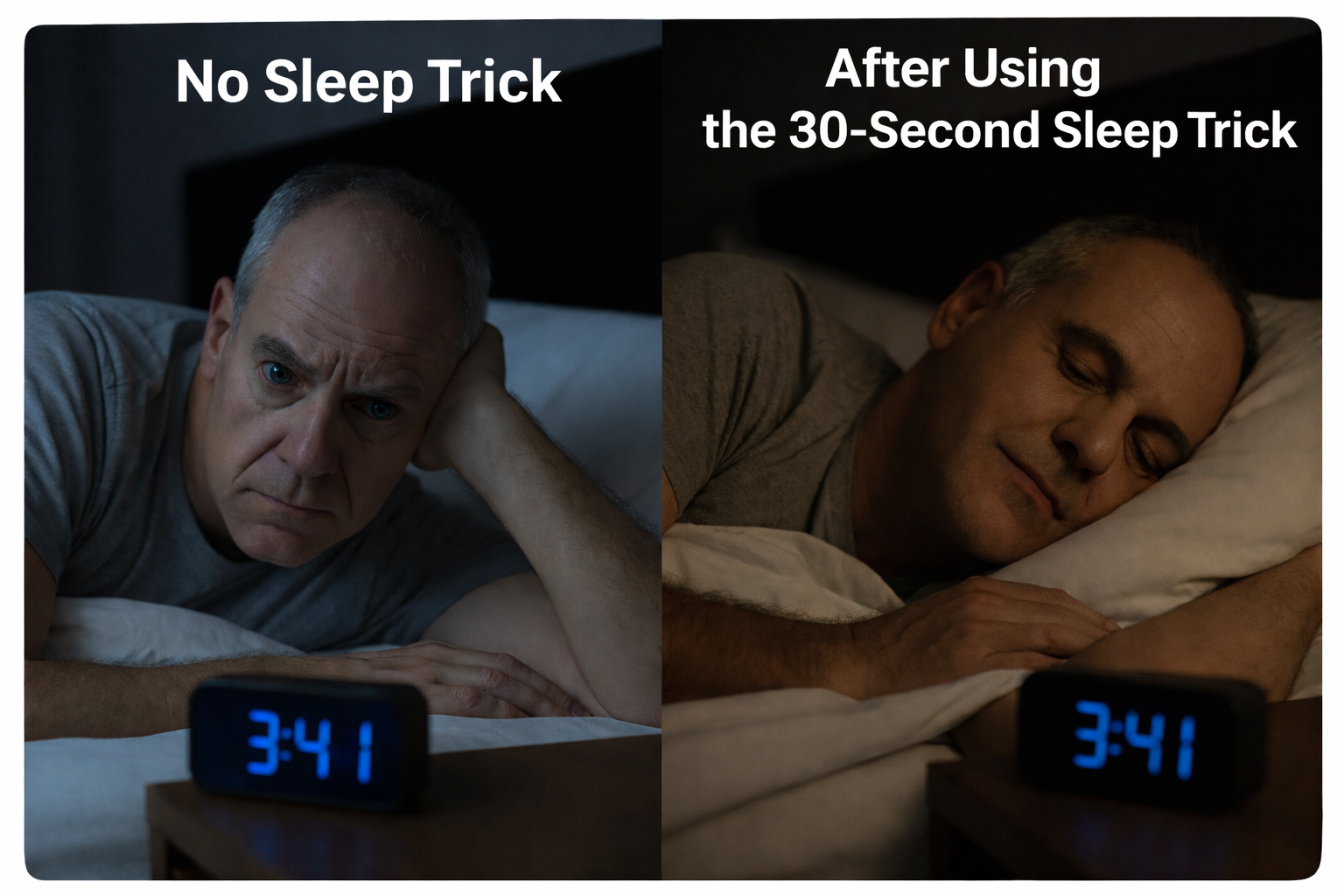
Try this 30-second sleep trick tonight to sleep like a baby once again
The average sleep score in the US is 41 out of 100. People who use this 30-second sleep trick consistently average 80 and above.
May you find your way back to a settled body today, in whatever warm and gentle way it comes.
With you in the quiet, Quantum Wave